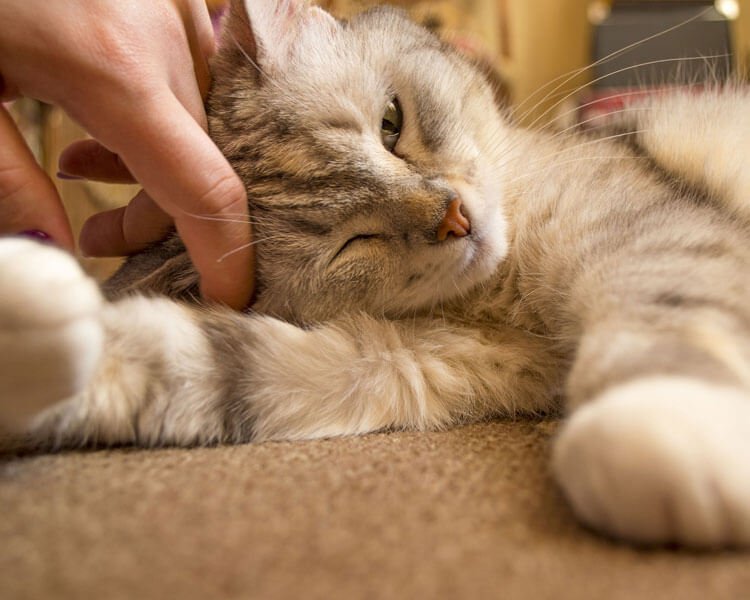
From Surprise Head Bonks to “Aha, That’s What It Means”
If you’ve ever been quietly scrolling on your phone only to get a surprise nose‑to‑forehead bump from your cat, you’re not alone asking, “why does my cat head butt me?” It feels a bit like being gently tackled by a tiny, furry linebacker.
The good news is that this odd little behaviour is usually one of the biggest compliments a cat can give a human. In this guide, I’ll explain exactly what cat headbutting means, when it’s a sign of love, when it can signal a problem, and how you can respond in a way that actually strengthens your bond with your cat.
By the end, you’ll know why your cat headbutts you, what they’re trying to say, and how to turn those random “bonks” into a sweet daily ritual.
What Cat Headbutting Actually Is (And What It Isn’t)
Let’s clear up one thing right away: when people ask “why does my cat head butt me,” they’re usually talking about gentle, deliberate bumps or rubs of the head and face, not full‑speed collisions. Behaviourists often call this bunting.
Bunting can look like:
- A soft forehead tap against your cheek or nose.
- Rubbing the side of the face along your hand, phone, or laptop.
- A slow, leaning nudge of the head into your chest or arm.
It’s entirely different from a startled head‑jerk during rough play or a cat simply misjudging a jump. Bunting is slow, controlled, and very often combined with purring, slow blinks, or a relaxed body.
In my experience, cats that headbutt regularly are often those that feel very secure in their environment. They know you, they trust you, and they’re confident enough to walk right into your personal space and announce it.
The Science: Scent Glands, Pheromones and “Colony Scent”
To really understand “why does my cat head butt me,” it helps to know how scent works for cats. We live in a world of visuals and words; cats live in a world of scent.
Cats have several important scent glands on their heads:
- Temporal glands on the forehead/temples.
- Cheek glands at the corners of the mouth.
- Glands between the ears and under the chin.
When they headbutt or rub these areas against you, they’re depositing pheromones – chemical “messages” that say “this is safe and familiar.” In a multi‑cat household, cats rub on each other and on their humans to create a shared or “colony” scent, which helps them recognise who belongs and, importantly, reduces tension and conflict.
So when your cat headbutts you and then perhaps rubs down your arm, they’re not just being cute. They’re actively adding you into their social map as part of their inner circle.
Emotional Reasons Your Cat Headbutts You
Of course, the question “why does my cat head butt me” isn’t just about biology – it’s also about emotion. Here are the main emotional reasons I’ve seen over the years.
1. Affection and trust
Headbutting is one of the clearest signs that your cat feels safe and close to you. It’s a bit like a hug or a friendly shoulder bump between people. Many cats will headbutt and then flop over to show their belly, which is a huge sign of relaxation and trust.
2. “You’re mine” in a good way
When your cat rubs their face on you, they’re marking you as part of their territory and social group, but it’s not possessive in a negative sense. It’s more like “this human is safe and familiar; they’re with me.”
3. Attention‑seeking and communication
Some cats quickly learn that a gentle head bump reliably gets your eyes off the screen and onto them. In practice, headbutting can mean:
- “Please pet me.”
- “I’d like some food.”
- “Pay attention to me instead of that laptop.”
4. Confidence and personality
Research suggests that more confident or socially dominant cats may initiate bunting more often, acting almost like “scent managers” in the household. In my own life, the boldest cat I’ve lived with would stride into the room, headbutt my knees, then the other cat, then the sofa – as though she was stamping everything with a “this is our home” label.
Contrast that with a shy rescue cat who only began to headbutt after months of quiet routine; his first tentative head tap felt like a huge milestone in our relationship.
How to Respond When Your Cat Headbutts You
If you’re asking “why does my cat head butt me,” a natural follow‑up is: “what should I do when it happens?” The short answer: reward it, but respect boundaries.
1. Offer a still, friendly target
When your cat leans in, you don’t have to shove your head back at them. Simply offer your hand, forehead, or cheek and stay fairly still. Let them control the pressure and duration. This keeps things predictable and pleasant for your cat.
2. Pet where the scent glands are
Most cats love being scratched where they’ve just rubbed:
These spots are packed with scent glands and tend to be safe, comforting zones. Avoid going straight for the belly or tail unless you know your individual cat enjoys that.
3. Build a “headbutt ritual”
You can turn bunting into a bonding routine. For example: every morning when you sit down with a coffee, your cat jumps up, you lower your head slightly, they headbutt once or twice, and you respond with a short petting session. Consistency teaches your cat that approaching you calmly leads to the interaction they want.
4. Know when to stop
If your cat headbutts you, gets a few strokes, and then walks away or turns their head, take the hint. Forcing more contact can make them less likely to initiate next time. The best relationships with cats are built by paying attention to the “I’m done now” signals just as much as the “more please” ones.
Bunting vs Head Pressing: Spotting a Serious Health Issue
Here’s the most important safety section in this whole “why does my cat head butt me” discussion. Not all head contact is normal bunting.
Healthy bunting usually looks like:
- Short, gentle bumps or rubs.
- Relaxed body, normal walking, responsive to you.
- Often combined with purring, slow blinking, or tail held comfortably.
Head pressing is very different:
Head pressing is when a cat stands still and forcefully presses its head against a wall, floor, furniture, or even a person and stays there. They may look vacant, disoriented, or distressed. This behaviour can be associated with serious neurological problems or other medical issues and is considered an emergency sign.
If you ever see your cat:
- Pushing their head hard into surfaces and not moving.
- Seeming confused, pacing, or bumping into objects.
- Showing sudden changes in vision, balance, or behaviour.
Call your vet immediately and describe what you’re seeing. It’s far better to be cautious than to dismiss head pressing as “they’re just being affectionate.”
When Headbutting Becomes Too Much (Or Too Rough)
Most people love being headbutted… until it happens at 4 a.m. or cracks them on the bridge of the nose. Even then, the cat is not being malicious. They’re just being enthusiastic and don’t fully understand human sleep schedules.
If “why does my cat head butt me” has turned into “how do I survive this,” here are some practical tips:
1. For over‑excited headbutts
If your cat slams their head into your face, gently move your head back and offer your hand instead. Reward calmer bunts with petting, and ignore the wild ones as much as possible. Over time, your cat learns that gentle contact gets the good stuff.
2. For night‑time headbutting
Many cats headbutt to ask for food or attention at night. Try:
- A late evening play session followed by a proper meal, so they’re more likely to sleep.
- Ignoring night‑time demands as consistently as you can; any response (even grumbling) can reinforce the behaviour.
- Giving them a cosy bed or perch close to you so they can feel near without touching your face every hour.
3. For cats that headbutt strangers
If your cat headbutts visitors who don’t love animals, offer a distraction – a toy or treat away from the guest – and calmly block access with your body. You don’t need to punish the cat; just redirect the affection to someone more appreciative.
Turning Headbutts Into a Stronger Bond
At this point, you can probably answer “why does my cat head butt me” confidently: it’s mostly love, trust, and scent, wrapped into one quirky behaviour. The real magic happens when you respond in a way that deepens your relationship.
A simple example from my own experience: one cat I lived with would only headbutt when I was sitting on the floor. So for a few weeks, I made a point of spending 10–15 minutes on the floor each evening, letting her come to me on her terms. Those quiet, repeated headbutt sessions turned a slightly wary rescue into a cat who would later curl up on my lap and purr herself to sleep.
If you treat your cat’s bunting as a valuable little “check‑in” rather than a random quirk, you’ll start to notice patterns: times of day, moods, and contexts when they’re most likely to reach out to you. Meeting them there – calmly and consistently – is one of the easiest ways to build a trusting, happy bond.
Conclusion: Your Cat’s Headbutts Are a Feline Compliment
When you find yourself wondering “why does my cat head butt me,” remember that, in almost every normal case, it’s your cat’s way of saying, “you’re part of my safe circle.” Those little nudges are powered by scent glands and pheromones, but they’re also loaded with emotion: affection, trust, and a desire to connect.
Pay attention to how and when your cat headbutts you, respond with gentle contact and respect for their boundaries, and you’ll find that these tiny moments add up to a much stronger relationship over time.
If you’ve noticed a new or unusual way your cat headbutts you and you’re not sure what it means, keep a short note of when it happens and what else is going on, then share it with your vet or a qualified behaviour professional for tailored advice.
FAQs About Cat Headbutting
1. Is it good if my cat headbutts me?
Yes. In most cases, headbutting (bunting) is a positive behaviour that shows your cat feels safe with you and wants to share scent and affection.
2. Why does my cat head butt me and then bite?
Some cats get a bit over‑stimulated. They start with affection, then the sensations tip into “too much,” and they switch to a gentle nip. Keep petting sessions short and focused on the head and cheeks to reduce this.
3. Why does my cat headbutt me but not other family members?
Cats often form individual relationships. If your cat headbutts only you, it probably means they feel especially connected to you or have been rewarded more consistently for approaching you.
4. Should I headbutt my cat back?
It’s usually better to let your cat take the lead. Instead of mimicking the motion with force, offer your forehead or hand and let them do the bumping. Some cats enjoy a very gentle “return nudge,” but others may be startled.
5. When should I worry about my cat’s head behaviour?
If your cat is pressing their head firmly against walls or floors and staying there, seems disoriented, or shows any sudden changes in behaviour or coordination, contact your vet immediately, as head pressing can signal serious medical issues.