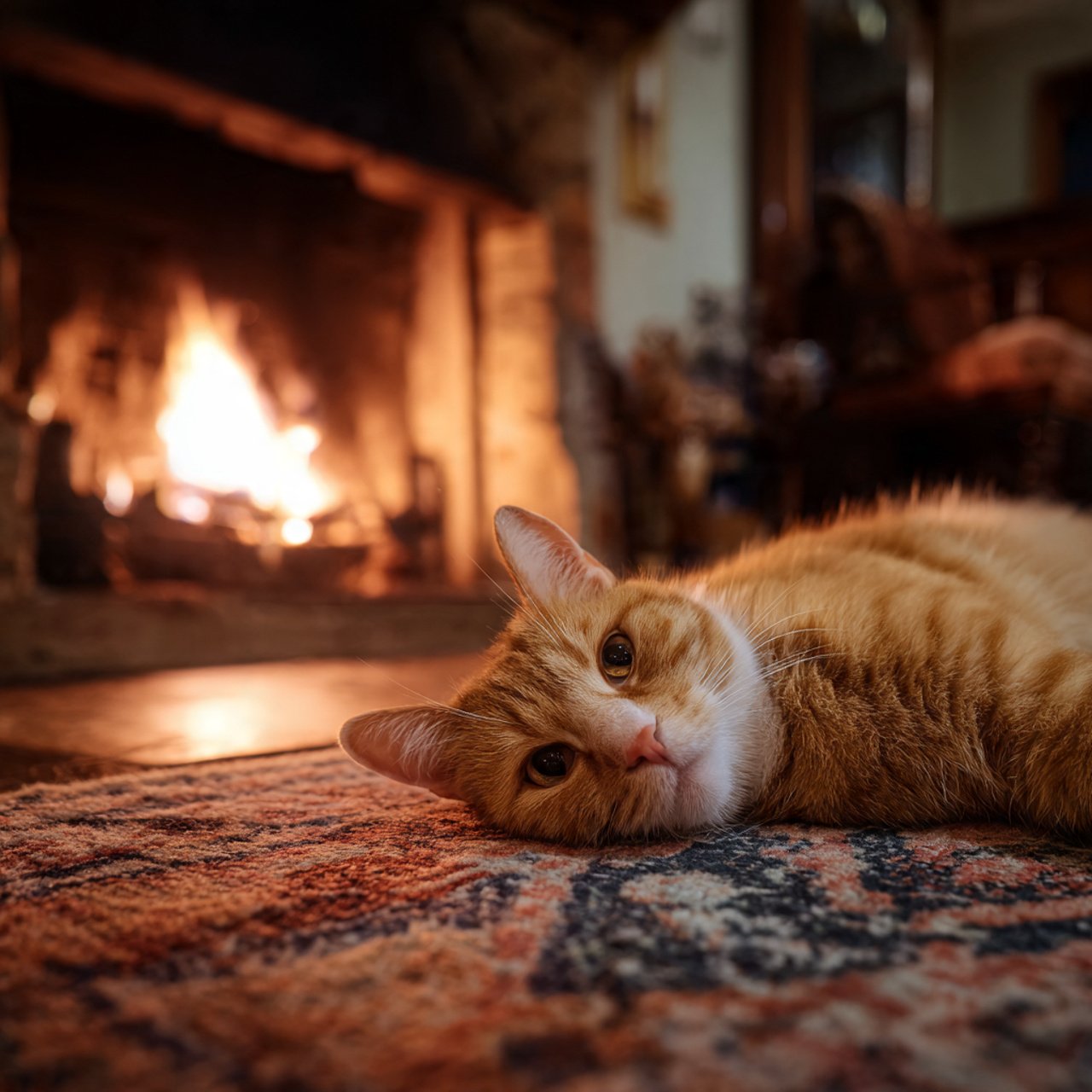
Cats are masters of disguise — especially when it comes to pain or illness. They hide discomfort instinctively, a survival trait passed down from their wild ancestors who couldn’t afford to show weakness. Today, that same instinct can make it heartbreakingly easy to miss the early signs that something is wrong.
As someone who’s spent 19 years working with cats — from rescues to pedigrees and everything in between — I’ve seen countless “quiet emergencies” unfold. Pet owners often say, “But she seemed fine yesterday!” until suddenly, she isn’t.
In this article, I’m going to show you the subtle symptoms Instagram never shows — the quiet shifts in behaviour, body language, and daily habits that reveal your cat is in trouble long before it becomes an obvious emergency.
The Myth of the “Healthy-Looking” Cat
One of the biggest misconceptions online is that a cat who’s eating, purring, and grooming must be healthy. Social media feeds are full of glossy cats curled in sunbeams, but those snapshots rarely reflect true wellbeing.
Cats are creatures of habit. When their health changes, their routines do too — but often in ways you might overlook. Early recognition can mean the difference between a simple vet visit and a life-threatening crisis.
Think of your cat like a toddler who can’t talk. You have to read the signs, not wait for them to “tell” you.
1. Subtle Shifts in Appetite and Drinking
When a cat stops eating completely, owners usually notice right away. But what about smaller changes?
If you’ve had your cat for a while, you know their normal eating rhythm. A few skipped bites might not seem important — but I’ve learned that even a mild appetite reduction often signals an underlying issue. For example:
- A cat with early dental pain may still eat, but more slowly or only from one side of their mouth.
- A cat with kidney issues might eat normally but start drinking excessively.
- A diabetic cat may eat ravenously yet lose weight.
One of my long-term patients, a 9-year-old British Shorthair named Millie, seemed perfectly fine apart from drinking slightly more water. Her owner thought it was “the warmer weather.” Within a week, blood tests confirmed early kidney disease. Caught early, she’s still thriving today — thanks to noticing that subtle change.
Quiet emergency takeaway: Log your cat’s eating and drinking patterns occasionally. Sudden increases or decreases are red flags worth discussing with your vet.
2. Changes in Grooming and Coat Condition
Cats are fastidious self-groomers, but when something’s off, their coat will often tell you.
- A rough, dull, or patchy coat can signal digestive issues, arthritis, or thyroid imbalance.
- Over-grooming one area might mean localized pain, anxiety, or skin irritation.
- Lack of grooming — especially around the lower back or tail base — often points to stiffness or arthritis.
I once treated an older cat named Jasper who had developed a greasy patch above his tail. His owner assumed he was “just getting lazy.” In reality, Jasper had advanced arthritis in his spine and couldn’t comfortably twist to reach that spot. After pain management therapy, his coat improved within weeks.
Quiet emergency takeaway: Your cat’s coat is an early health indicator. If they suddenly look unkempt, investigate the cause, not just assume age or laziness.
3. Subtle Behaviour Shifts That Speak Volumes
When a cat’s in discomfort, they rarely cry out. Instead, you’ll notice personality changes — often dismissed as “moodiness.”
Here’s what to watch for:
- A normally outgoing cat becomes withdrawn or hides more.
- A peaceful cat turns irritable when touched.
- A quiet cat starts vocalizing or pacing at night.
- A social cat stops greeting you or avoids playtime.
Behavioural changes can stem from anything from dental pain to urinary infections. Anxiety and illness can look similar, which is why consistent observation matters.
One of the most haunting cases I remember was a sweet white rescue named Luna. Her owner thought she was “acting depressed” after they moved house. But her withdrawn behaviour turned out to be anemia from internal bleeding caused by a ruptured tumour. She showed no physical symptoms until it was too late.
Quiet emergency takeaway: Trust your intuition. If your cat’s personality changes suddenly and doesn’t bounce back in a day or two, it’s not “just in your head.”
4. The Litter Box Doesn’t Lie
You can tell a lot about a cat from what you scoop out of their litter box. Subtle changes in frequency, texture, or odor are diagnostic gold.
- Frequent but tiny urinations can mean a urinary tract infection or blockage — a life-threatening emergency, particularly in male cats.
- Strong-smelling urine may indicate kidney or liver issues.
- Constipation can be linked to dehydration, pain, or dietary imbalance.
- Diarrhea or loose stools that persist more than a day or two always deserve attention.
Years ago, I treated a young male cat named Rio whose owner thought he was “just sitting funny” by the box. In fact, he was straining and passing no urine — within hours, that would have become fatal. His owner’s quick response saved his life.
Quiet emergency takeaway: Never ignore litter box changes, especially straining, producing less output, or blood-tinged urine or stool.
5. Subtle Signs of Pain or Discomfort
Cats don’t wince, limp dramatically, or cry out the way dogs often do. Pain often surfaces through stillness and silence.
Here are subtle pain cues I’ve learned to spot:
- Hesitation before jumping or climbing stairs.
- Flattened posture or “meatloaf” position (sitting hunched with paws tucked under).
- Unusual stiffness on waking.
- Reluctance to be picked up.
- Over-reactivity when touched on certain areas.
In multi-cat homes, you might see a dominant cat suddenly lose their standing — not because they’ve “gone soft,” but because pain makes them less confident.
Quiet emergency takeaway: Cats in pain rarely scream — they go quiet. Look for pauses, posture changes, and avoidance, not just vocal distress.
6. Eyes, Nose, and Breathing — The Micro Expressions
A cat’s eyes and breathing patterns reveal a lot if you know how to read them.
- Half-closed eyes or squinting can be a sign of pain, especially around the face or head.
- Rapid breathing or open-mouth panting outside of intense play or heat is abnormal.
- Nasal discharge or sneezing could suggest infection or allergies — but clear discharge followed by lethargy can indicate something more serious.
- Third eyelid showing (that whitish inner membrane) is often an early signal your cat’s immune system is fighting something.
One striking example: a Burmese cat named Alfie developed what seemed like mild watery eyes one weekend. His owner thought it was “dust from the renovation.” When he began breathing faster Monday morning, they rushed him in. X-rays showed pneumonia developing rapidly beneath the surface. Fast action saved his lungs and possibly his life.
Quiet emergency takeaway: Subtle changes around the face — eyes, nose, breathing — often reflect bigger internal issues. They’re your window into silent processes you can’t see.
7. The “Something’s Off” Feeling (and Why It Matters)
Here’s a truth that 19 years with cats has taught me: owners usually feel when something is wrong before they can describe it.
I’ve had countless clients say, “I know it sounds silly, but he’s just not himself.” Nine times out of ten, that instinct is spot on. Maybe the cat’s sitting in a new spot, moving more slowly, or watching the room differently. Those nuanced differences are your early warning system.
Don’t underestimate it. You know your cat’s normal rhythms better than anyone. Veterinary diagnostics confirm what intuition first detects.
Quiet emergency takeaway: If your gut says something is off, schedule a check-up. A “false alarm” wastes a few minutes — ignoring it could cost their life.
Why Instagram Misleads Cat Owners
Social media loves a tidy narrative — happy rescues, purring fluffballs, and aesthetic bowls of tuna flakes. But what gets filtered out are the gritty parts: the vet trips, the subtle warning signs, the anxiety.
That’s why the phrase “quiet emergencies” is so important. The online version of pet care often glorifies appearance over awareness. A “healthy-looking” cat can be seriously ill — and yet, visually, they’ll still get likes.
As a rule of thumb: if your cat looks perfect but acts a little off, trust their behaviour, not the Instagram aesthetic.
What to Do When You Suspect Trouble
If any of the quiet emergencies above sound familiar, here’s what to do next:
- Observe for 24 hours. Note food intake, water, litter box output, and energy levels.
- Record details. Take a short video or jot notes — vets rely on these clues.
- Contact your vet. Mention small changes; early reporting helps rule out serious issues.
- Don’t delay if severe symptoms appear. Straining to urinate, panting, collapse, or not eating for over 24 hours always warrants immediate care.
Your calm observation could make all the difference between routine treatment and emergency surgery.
Conclusion: The Power of Noticing
Owning a cat means learning to see what isn’t obvious. Their quiet emergencies don’t appear in curated photos or viral clips; they unfold quietly, behind your sofa or under your bed, waiting for someone who loves them enough to notice.
You don’t need to be a vet to catch these signs — just patient, observant, and tuned in. Pay attention to changes in routine, behaviour, and energy. Cats never show weakness without reason.
Your awareness might one day be the quiet act that saves your cat’s life.
If you found this guide helpful, consider sharing it so more cat owners can learn the hidden signs Instagram never shows — the subtle cat symptoms that truly matter.
FAQs
1. Why do cats hide their pain?
It’s a survival instinct. In the wild, showing pain made cats vulnerable to predators, so they evolved to mask discomfort until it’s severe.
2. What’s the most common “quiet emergency” in cats?
Urinary blockages in male cats are extremely common, fast-developing, and fatal if ignored. Even mild straining is an emergency.
3. My cat is drinking more water lately — should I worry?
Yes. Increased thirst can indicate kidney or thyroid disease. Have your vet run a simple blood and urine test to be sure.
4. How can I tell if my cat’s upset or just unwell?
Behavioral changes can overlap, but if your cat’s sleeping more, avoiding touch, or not grooming, suspect a physical cause first.
5. Is it safe to wait a few days before going to the vet?
For appetite changes or litter box issues, no. Cats deteriorate quickly. When in doubt, call your vet — early action saves lives.